
I remember sweating it out during a championship game, a seemingly unpredictable clash between two evenly matched teams. Forget lucky jerseys or pre-game rituals; my decision on where to place my bet came down to crunching numbers. I dove deep into player stats, head-to-head records, even weather forecasts. The result? A winning bet and a serious appreciation for the power of data. It was a far cry from the times I blindly followed hunches, which, let’s be honest, often ended in disappointment.
In the exhilarating world of sports betting, data is your secret weapon, your strategic advantage. It’s the key that unlocks informed decisions, turning uncertainty into calculated confidence. This isn’t about eliminating risk entirely; it’s about understanding and mitigating it. We’re here to equip you with the knowledge and tools to transform your approach to sports betting. Get ready to leave guesswork behind and step into a world where data fuels smarter, more profitable betting strategies. Prepare to boost your betting confidence and start making wagers with an informed edge.
Why Confidence Matters
In the high-stakes world of betting, confidence isn’t just a feeling—it’s a strategic asset. Betting psychology plays a crucial role; a lack of confidence erodes decision-making abilities, leading to impulsive bets and the dangerous pursuit of recouping losses. This inconsistency sabotages any well-thought-out strategy. True confidence in betting stems from well-informed decisions, rooted in solid data and can lead to improve emotional control. When bets are based on careful analysis rather than gut feelings, individuals naturally feel more secure in their choices. This, in turn, fosters a disciplined approach to risk management. The positive feedback loop is clear: data-driven decisions fuel confidence, which drives better betting outcomes, reinforcing the cycle of success.
Laying the Foundation: Essential Betting Data
Understanding Key Statistics
To make informed betting decisions, understanding key statistics is paramount. Win percentage, a simple yet crucial metric, reflects a team’s success rate over a period. Return on investment (ROI) indicates the profitability of wagers, revealing the average return for each unit risked. Average points scored and allowed provide insights into a team’s offensive and defensive capabilities. Analyzing these statistical metrics helps assess strengths and weaknesses. Importantly, evaluate data in context. A high win percentage may be less significant if achieved against weaker opponents, while a seemingly low ROI might be acceptable in high-volume betting strategies. Context is as important as the raw numbers.
Free versus Paid Data Sources
Sourcing betting data involves a choice between free and paid options. Free data sources, such as sports statistics websites, offer readily available information. When serious, consider betting APIs. These provide instant access to specific sporting events. Paid data providers guarantee accuracy, timeliness, and often more granular data. Consider what you need.

Advanced Data Analysis Techniques
To really sharpen your sports betting predictions, it’s crucial to go beyond the basics and dive into advanced data analysis techniques. These methods allow for deeper data interpretation and can significantly enhance the accuracy of forecasts. Techniques such as regression analysis, machine learning and pattern recognition become indispensable tools.
Regression and Probability Models
Regression analysis allows you to understand the relationship between different variables. Regression models helps to estimate how a change in one variable affects another—for instance, how a team’s offensive stats correlate with their win rate. Probability models assess the likelihood of specific outcomes, providing a framework for evaluating the potential success of a bet. When combined, these models create a powerful analytical tool that refines predictions and manages risk more effectively.
Trend Analysis and Pattern Recognition
Trend analysis involves examining historical data to identify consistent patterns or trends over time. This could involve evaluating how teams perform at different points in the season or under certain conditions. Pattern recognition takes it a step further, using algorithms with machine learning to spot more subtle, recurring scenarios that might influence a game’s outcome. Recognizing these trends and patterns allows you to make informed decisions based on how similar situations have played out in the past.
How Important Are Predictive Models?
Betting with predictive models is essential for serious sports bettors. Predictive models accurately predicts outcomes based on complex algorithms and vast amounts of data, improving the edge. They offer a data-driven strategy over the emotion, increasing your chances of making profitable bets.
Building Your Data Toolkit: Tools and Resources
To elevate your sports betting game, having the right data toolkit is essential. This section recommends specific tools and resources for data analysis, catering to various budgets and technical expertise. From sophisticated software solutions to accessible free resources, discover how these tools can transform raw data into actionable betting strategies.
Software and Platforms
The market offers a spectrum of software solutions, ranging from user-friendly interfaces to advanced analytics powerhouses. Some advanced software may offer complex algorithms and predictive modelling, while user-friendly platforms prioritize ease of use and accessibility. Ideally, select a solution that balances user-friendliness with the depth of analytics needed for informed betting decisions.
Free Resources for Quick Analysis
For bettors seeking immediate insights without financial investment, numerous free resources are available online. These platforms provide access to statistics, historical data, and basic analytical tools, enabling fast analyses and informed betting decisions. Some websites offer valuable free functions, such as odds comparison, basic statistical calculators, and data visualization tools, which are essential for successful betting.
Overcoming Bias and Emotion
Biases
Betting can be a rollercoaster of emotions, and it’s easy to let feelings cloud judgment. Several common biases can heavily influence betting decisions, often leading to poor outcomes. Confirmation bias, for instance, makes people favor information that confirms existing beliefs, leading them to selectively focus on data that supports their hunches while ignoring contradictory evidence. Recency bias causes an overemphasis on recent events, where a recent win might lead someone to overestimate their abilities or the chances of a particular outcome repeating itself. Risk aversion, the tendency to prefer avoiding losses more than acquiring equivalent gains, can lead to overly conservative betting strategies that miss out on potential opportunities.
Data
Data can cut through the noise of emotion and provide an unbiased view of reality. It allows for the rigorous testing of hypotheses and the identification of genuine trends, rather than imagined ones. By tracking betting history, analyzing statistical performance indicators, and employing predictive models, it becomes possible to make informed decisions based on objective evidence, rather than gut feelings. Data provides a factual basis for evaluating potential bets, assessing risk, and managing bankrolls effectively.
Crafting Your Data-Driven Strategy
Step-by-step Guide
Building a data-driven betting strategy isn’t about finding a guaranteed win; it’s about implementing a systematic approach to improve your odds and manage risk. Start with gathering historical data on the sports and betting markets you’re interested in. Analyze trends, identify key performance indicators (KPIs) like win rates and average odds, and look for profitable patterns. Next, define your betting rules clearly. This could include criteria for selecting bets, stake sizes, and when to exit a losing position. Test your strategy on historical data or with small stakes in live betting to evaluate its performance. It’s very important to adapt your strategy over time as you gather more data and the betting landscape changes.
Defining Goals
Before diving into data analysis, clarify what success looks like. Are you aiming for consistent, small profits, or are you comfortable with higher risk for potentially larger returns? Is your goal to supplement your income, or is it more about the thrill of testing your knowledge and prediction skills? For example, one might aim for a 5% monthly return on investment with low-risk bets, while another chases 20% with a high-risk, high-reward approach. Set realistic and measurable objectives, so you can track your progress and make necessary adjustments along the way. Tailor your strategy to match what you want to achieve, that’s the most important.
Tracking, Testing, and Refining
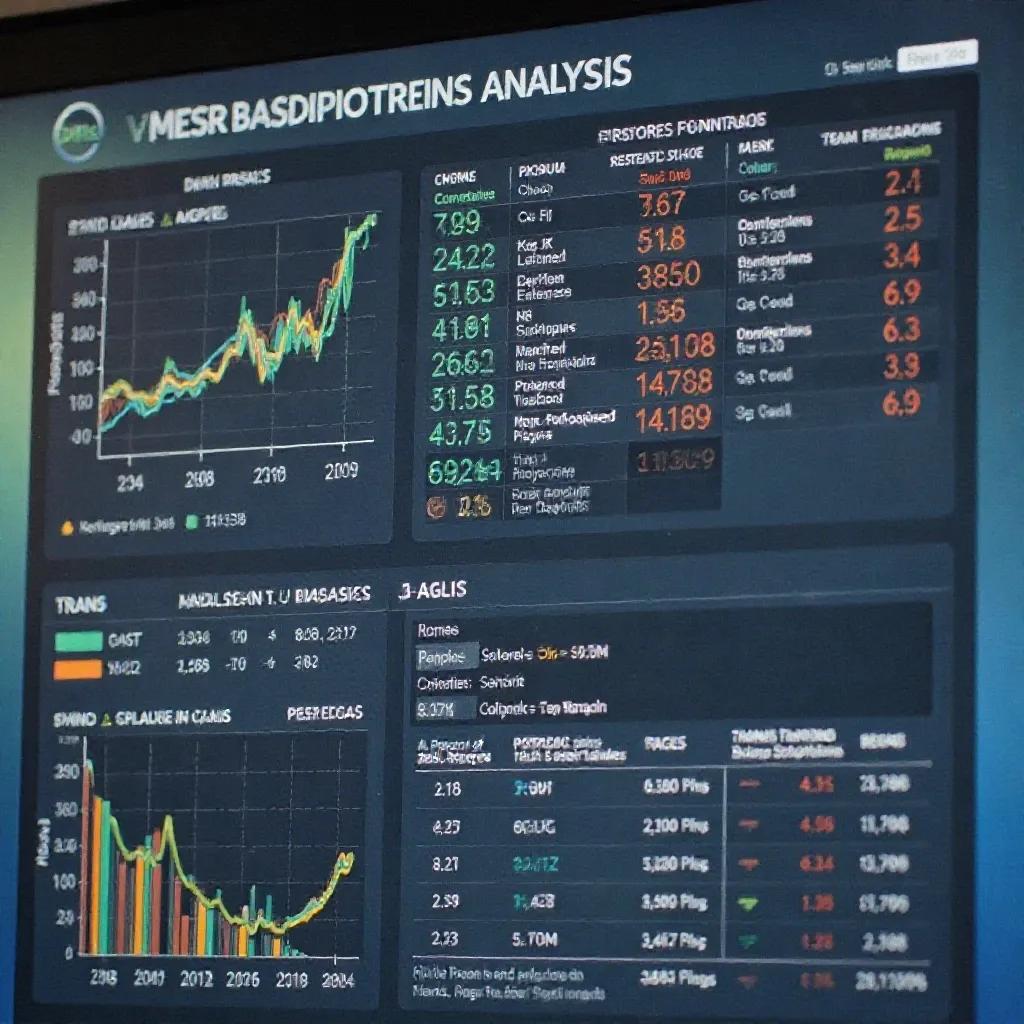
Betting isn’t just about placing wagers; it’s about continuous improvement. To maximize your potential, you’ll need to embrace tracking, testing, and refining your strategies based on cold, hard data. This iterative process involves meticulously recording your bets, analyzing performance metrics, and using those insights to tweak your approach. Think of it as a scientific experiment where you’re constantly seeking the optimal formula for success. A crucial aspect of this involves A/B testing different strategies – pitting them against each other to see which yields the best results. By embracing a mindset of continuous improvement, you transform betting from a game of chance into a calculated pursuit of profit, and you will notice that improve your performance over time.
Spreadsheet or Tracking Software
When it comes to tracking your betting data, you have two primary options: spreadsheets and dedicated tracking software. Spreadsheets offer a flexible and customizable solution, allowing you to design your own system for recording bet details, odds, stakes, and outcomes. This is a great option if you’re comfortable with data manipulation and want full control over your data. On the other hand, tracking software often provides a more streamlined and automated experience. These tools typically offer features like automatic odds updates, performance dashboards, and even integration with betting exchanges. Choosing between the two depends on your technical skills, budget, and the level of detail you want to track.
Track Your Betting Performance
Tracking your betting performance is more than just noting wins and losses; it’s about understanding the ‘why’ behind those results. A detailed betting log will tell you where your strengths lie. For example, which sports or bet types are most profitable? By analyzing performance metrics like ROI (Return on Investment), yield, and profit margin, you can identify areas for improvement and adjust your strategy accordingly. Are you consistently losing on a particular type of bet? Consider reducing your stakes or abandoning that strategy altogether. This level of self-awareness is essential for long-term success in a competitive betting landscape and improve performance.
Real-World Examples of Data-Driven Success
Where data made a difference
Data has become an indispensable tool for bettors looking to gain an edge. It’s no longer just about gut feeling or loyalty to a team. The analysis of stats and trends can reveal hidden opportunities and predict outcomes with surprising accuracy, ultimately changing the tide. By diving deep into past performance, head-to-head records, and even seemingly minor details like weather conditions, bettors can unearth valuable insights that directly translate into winning games.
Case Study
Consider this example: professional sports bettor identified a mispriced player proposition bet in a basketball game. The player’s average points per game were around 18, but the sportsbook had set the over/under at 22. After examining recent performance data, including increased playing time due to an injury on the team and favorable matchups against the opposing defense, it became apparent that the player was likely to exceed their average. The bettor wagered a significant amount on the “over,” and the player scored 25 points, leading to a successful and profitable betting decision. It was a slam dunk.
Conclusion
Embracing a data-driven approach can truly transform one’s sports betting endeavors. The benefits are significant, potentially leading to a more informed and confident approach. By leveraging the power of data analysis, a winning mindset can be cultivated, paving the way for smarter and more strategic betting decisions.
Continuous learning is crucial in this ever-evolving landscape. Explore the numerous betting resources available, refine strategies based on real-world data, and stay ahead of the curve. The future of betting is undoubtedly data-driven, and embracing this shift positions you for long-term success.
Remember to keep learning and practicing. Feel free to share the ways data-driven betting has benefited you!